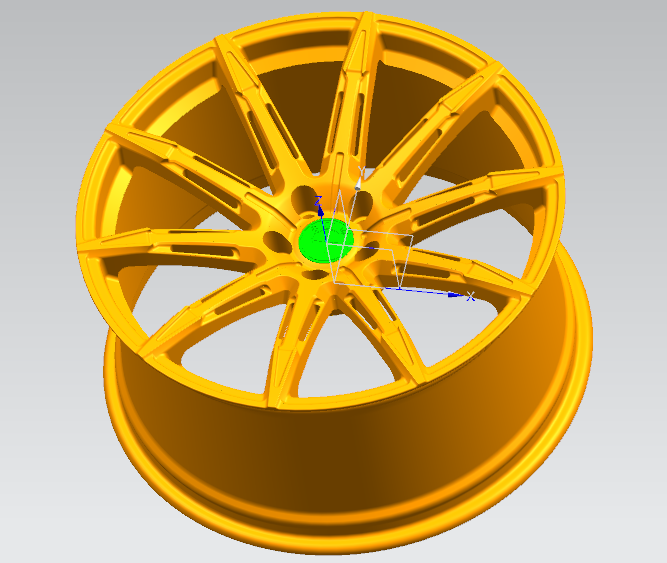

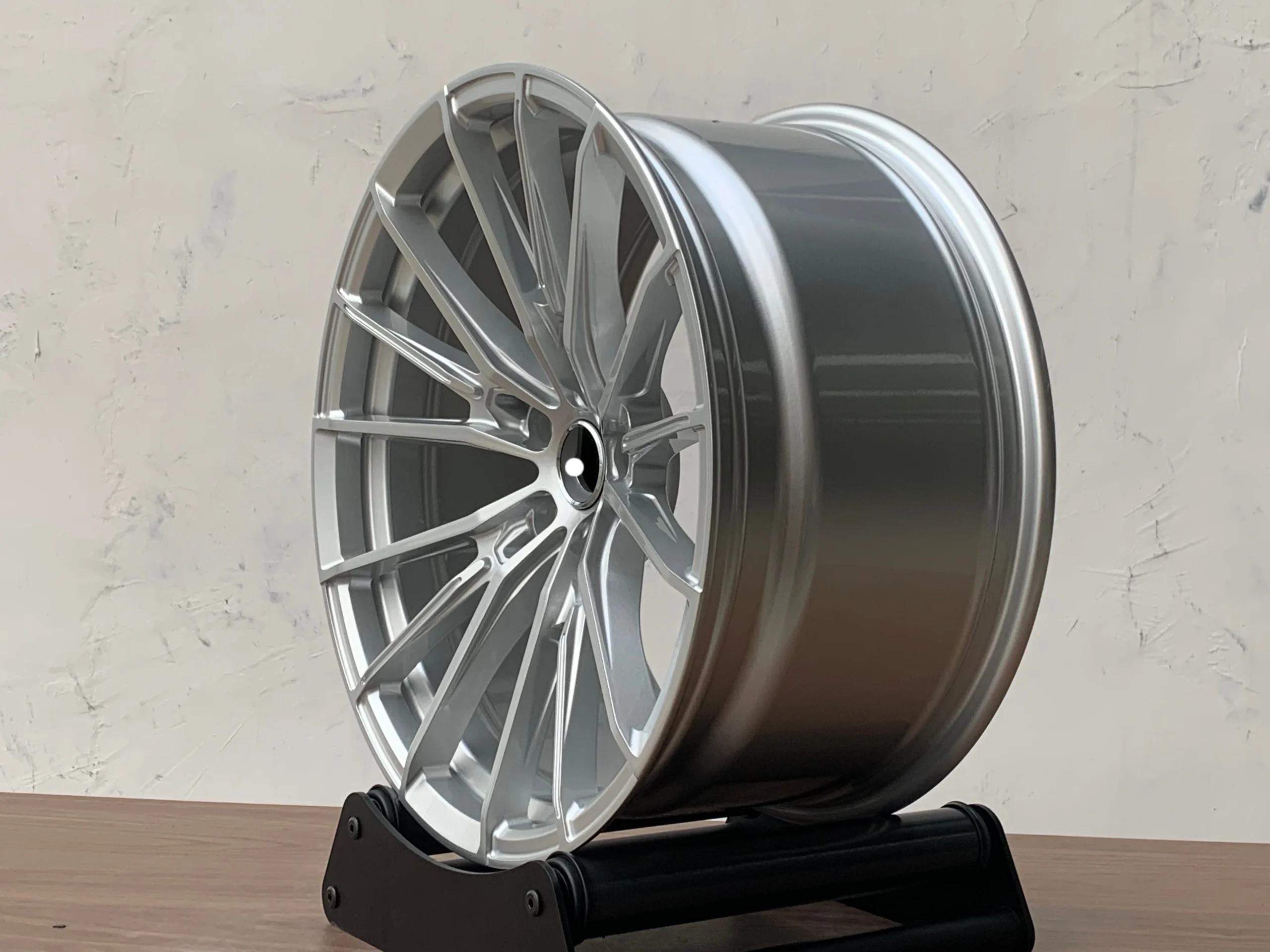
When many car enthusiasts look online for examples of wheel modifications, they often come across setups that achieve an extreme look. These builds typically involve lowering the vehicle (using coilovers or air suspension) and—in more extreme cases—adjusting the wheel camber to achieve a “flush” fitment where the wheel aligns perfectly with the fender arch. A key feature of this style is a deeply concave wheel profile. This striking visual impact really appeals to car owners, sparking the desire to modify their own vehicles—haha…
It all comes down to two factors; we’ll cover the first one today and the second one tomorrow.
(Brother Liu: 20 years of expertise in the wheel industry)
1. Your vehicle’s specific wheel specifications

To achieve a concave look, the wheel generally needs to be quite wide—typically 10J or greater—and have a low offset (ET), such as under 10 or even a negative offset. Only with these specifications can the wheel design support a concave profile. Furthermore, the fitment must ensure that these wide, low-offset wheels do not protrude beyond the fender arches when installed. Many enthusiasts who pursue this “concave-flush” look modify their camber or bodywork to make it work. Standard passenger cars usually have an offset around ET40; if you were to simply install low-offset, concave wheels on such a car, they would stick out past the fenders, causing the tires to rub against the bodywork and compromising safety—an approach that is definitely not recommended. When aiming for an extreme wheel modification look, you must first consider whether the wheel specifications are compatible with your vehicle model; you shouldn’t blindly chase a concave design.